
Is GPT Image 2.0 Production-Ready? We Scored 34 Real Briefs

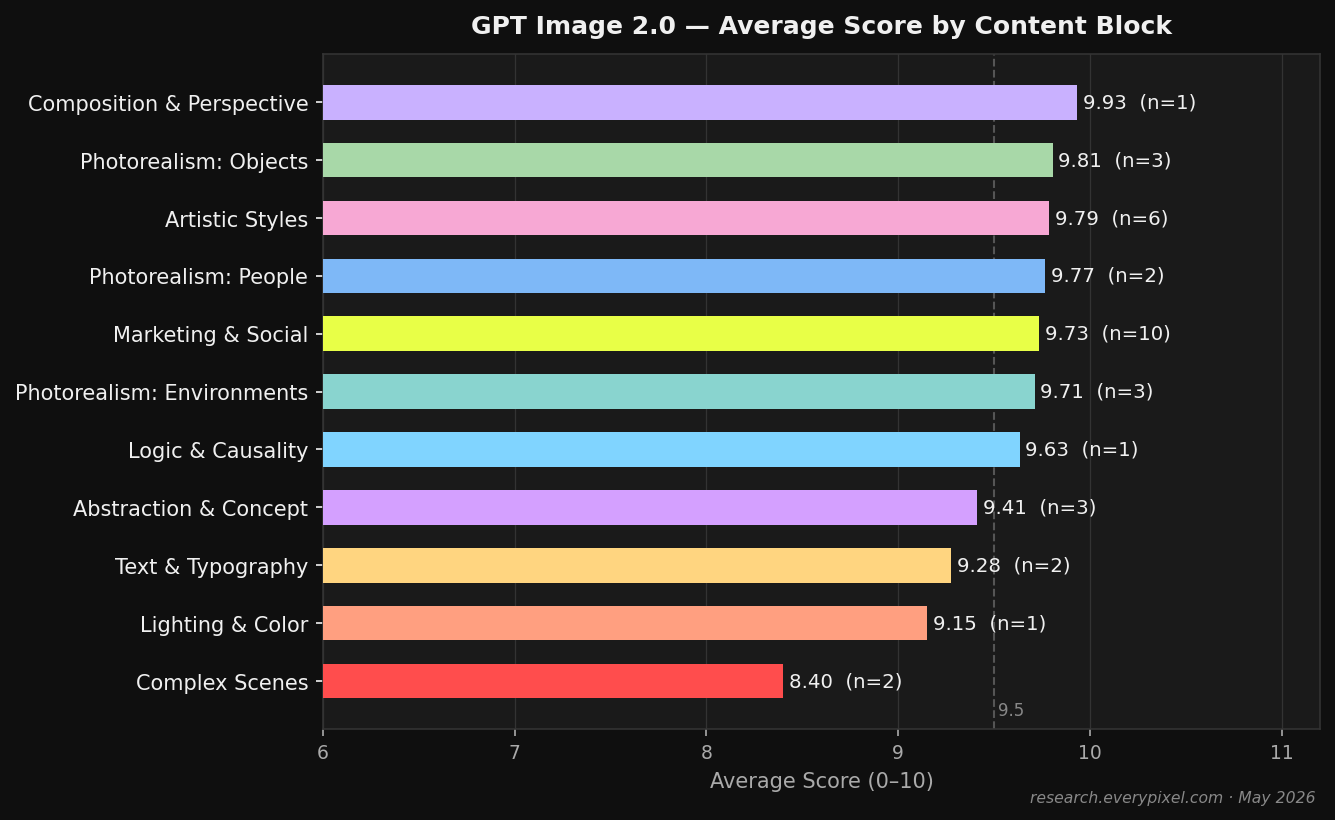
In our test on May 18, 2026, GPT Image 2.0 passed a four-reviewer production bar on 33 of 34 real briefs. It is strongest on images with embedded text, product shots and architecture. The one brief that failed was a crowd scene.
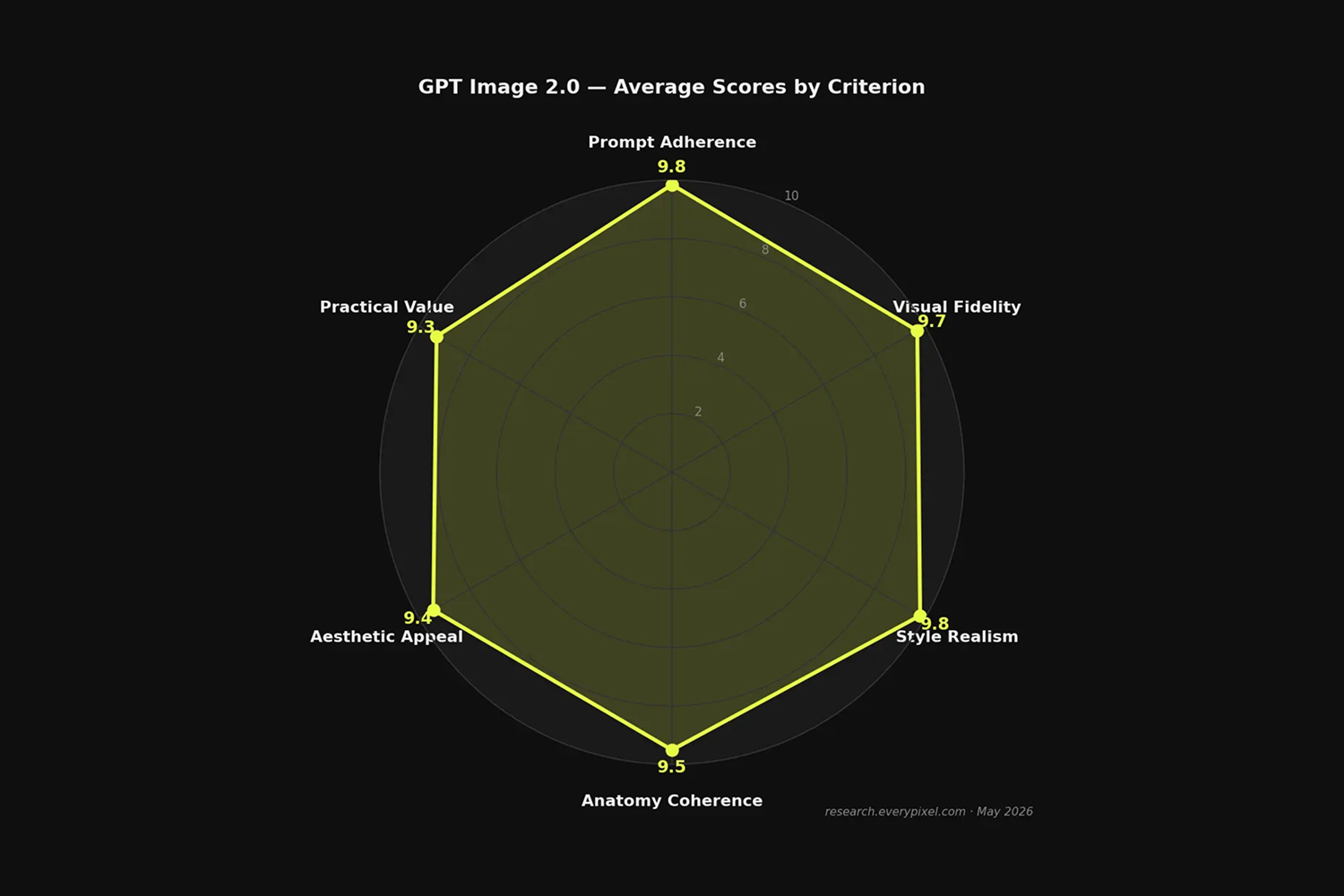
GPT Image 2.0 is production-ready for most commercial image work. Everypixel's production team scored 34 real briefs on May 18, 2026: 33 passed a bar of three of four reviewers rating the output usable without retouching, and 25 passed unanimously. The model is strongest on images with embedded text, product shots and architecture. It is weakest on crowd scenes, the single brief that failed.
Corrections, 2026-09-25
This article previously reported 9 of 13 use cases as production-ready. All figures have been recalculated from the experiment export, and several external citations have been removed. See the changelog at the end.
Key findings
| What we measured | Result |
|---|---|
| Briefs passing the production bar (3+ of 4 evaluators) | 33 of 34 — 97%, 95% CI 85–99.5% |
| Briefs passing unanimously (4 of 4 evaluators) | 25 of 34 — 74%, 95% CI 57–85% |
| Highest criterion: prompt adherence | 9.8 / 10, 95% CI 9.68–9.95 |
| Lowest criterion: practical value | 9.3 / 10, 95% CI 8.98–9.55 |
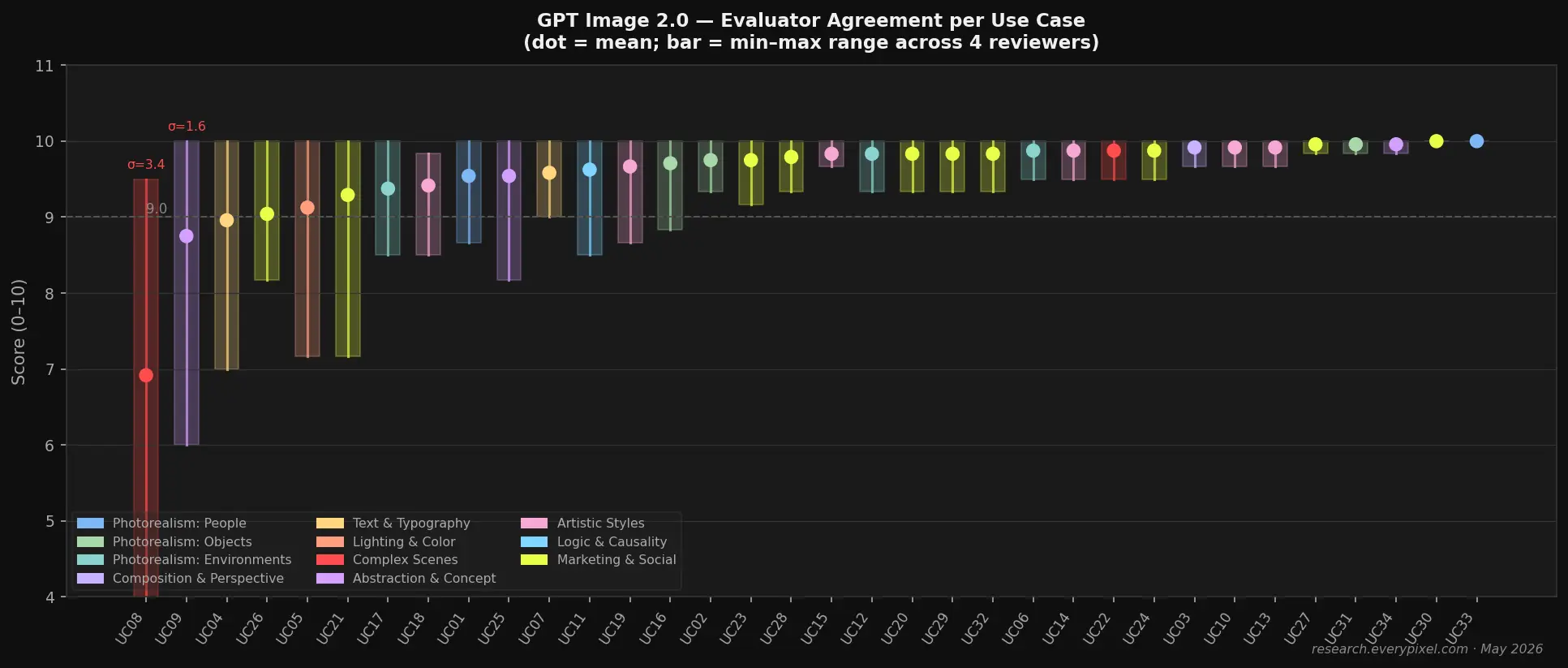
| Lowest single brief: Tokyo market crowd (UC08) | 6.9 / 10, 2 of 4 evaluators pass |
| Evaluator agreement on pass/fail (Gwet's AC1) | 0.84 |
| Price per 1024x1024 image, low vs high quality | $0.01 vs $0.22 (fal.ai, April 2026) |
How We Tested GPT Image 2.0
Model
OpenAI GPT Image 2.0, API model gpt-image-2, released April 21, 2026 (OpenAI model page). Mode: text to image, quality=high. Output size: 2560×1440 for 32 briefs and 2048×1152 for two briefs, UC16 and UC28.
Briefs
34 prompts from User Cases T2I v2, Everypixel's structured image generation test battery, written as real production requests: headshots, packaging, hero banners, book covers, app screens, thumbnails. One generation per brief, across 11 content categories.
Evaluators
Four production professionals: a creative director, an art director, a designer and a photographer . Each generation was scored independently by all four, with no access to the others' ratings or comments during assessment.
Scale
0–10 on six criteria, 24 ratings per brief, 816 ratings in total.
Production bar
Final score per brief is the mean of 6 criteria × 4 evaluators, which is 24 individual ratings. A brief counts as production-ready when a majority, at least 3 of 4 evaluators, rates practical_value 8 or higher.
Statistics
Confidence intervals are Wilson intervals for pass rates and bootstrap intervals, 10,000 resamples over briefs, for criterion means.
Scoring criteria (10-point scale):
| Criterion | What it measures |
|---|---|
prompt_adherence | Accuracy of scene execution vs. written prompt |
visual_fidelity | Sharpness, resolution, artifact-free rendering |
style_realism | Believability within the intended style |
anatomy_coherence | Correct proportions, no structural deformities |
aesthetic_appeal | Compositional quality, color harmony, visual engagement |
practical_value | Readiness for production use without post-processing |
Limits of the method
Four evaluators is a small panel, and one generation per brief does not measure consistency across seeds. The scores are a subjective judgment by a team working in stock, advertising and editorial content, so they do not transfer to scientific, technical-drawing or fine-art work. This is a single-model evaluation, so evaluators knew which model they were scoring.
Score Summary
| Category | Briefs | Mean score | Pass (3+/4) | Unanimous |
|---|---|---|---|---|
| Composition and perspective | 1 | 9.92 | 1/1 | 1/1 |
| Photorealism: objects and food | 3 | 9.81 | 3/3 | 3/3 |
| Photorealism: people | 2 | 9.77 | 2/2 | 2/2 |
| Artistic styles | 6 | 9.77 | 6/6 | 5/6 |
| Marketing and social | 10 | 9.72 | 10/10 | 8/10 |
| Photorealism: environments | 3 | 9.69 | 3/3 | 3/3 |
| Logic and causality | 1 | 9.63 | 1/1 | 0/1 |
| Abstraction and concept | 3 | 9.42 | 3/3 | 1/3 |
| Text and typography | 2 | 9.27 | 2/2 | 1/2 |
| Lighting and color | 1 | 9.13 | 1/1 | 0/1 |
| Complex scenes | 2 | 8.40 | 1/2 | 1/2 |
Per-brief scores for all 34 briefs are in the data file at the end of this article.
- GPT Image 2.0
Findings
Finding 1: Text inside the image is usable on the first pass
Finding 1
In every brief that asked for rendered text, the evaluators who commented on the text described it as legible, and every text brief except the crowd scene passed the production bar (Everypixel production team, May 2026).
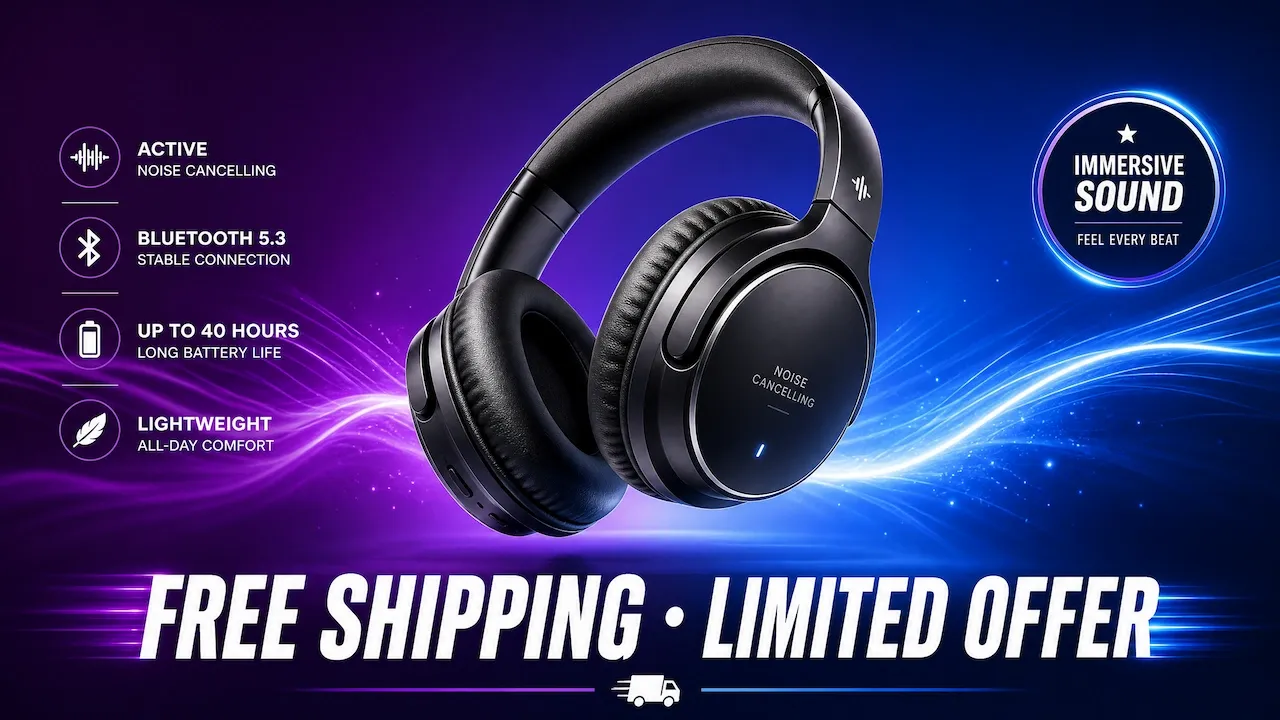
UC03, hero banner with a dashboard on a laptop screen. 9.92/10, three evaluators gave practical value 10 and one gave 9. The benchmark lead: "Ready to publish. Excellent work with text, even small text."
UC07, VOLTA COFFEE logo in a vintage serif. 9.58/10, all four pass. One evaluator noted that the lettering was not hand-drawn and the result was not a true vector, so plan a vectorization step.
UC11, wine pour with a RESERVA 2018 label. 9.63/10. The benchmark lead singled out that the label font and the adjacent title font matched exactly.
Our non-Latin coverage is thin. The only non-Latin text in the suite is Japanese signage in UC08, where evaluators found the text readable but one sign smeared. For other scripts, Segmind's launch test reports that "Devanagari, Chinese, Japanese, Korean, and Indic scripts render as actual legible characters" (Segmind, April 22, 2026). We have not verified that ourselves.
What to do: route text-bearing assets such as packaging, UI mockups, covers and branded social posts to GPT Image 2.0, and test your own script and type size before committing a localization pipeline to it.
Finding 2: Product photography passes without a studio pass
Finding 2
GPT Image 2.0 passed all three product and food photography briefs unanimously, with a category mean of 9.81/10, the highest of any multi-brief category in our suite (Everypixel production team, May 2026).
UC02, perfume bottle on black marble with water droplets. 9.75/10. One evaluator: "Looks like a professional shoot. Light reflections, droplets and text are handled well. Usable right away." Another flagged that the droplets were spaced too evenly, which reads as AI on close inspection.
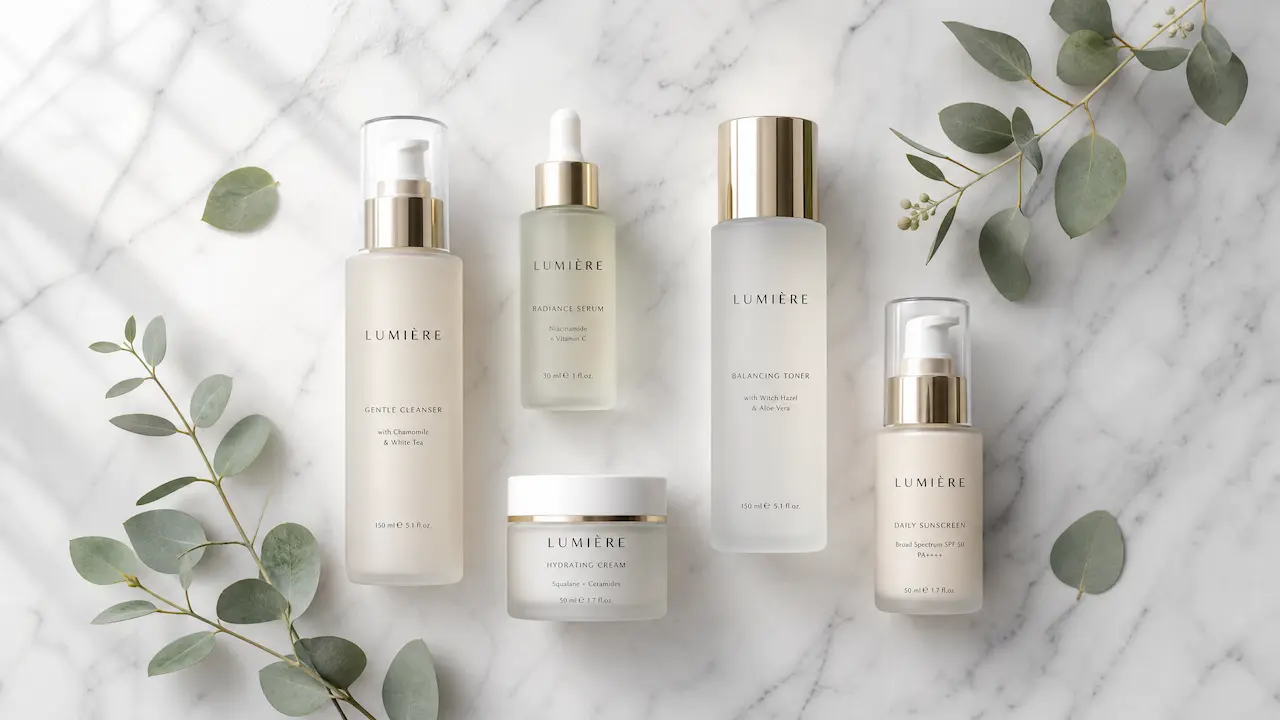
UC31, cosmetics flat-lay. 9.96/10, practical value 10 from all four.
UC11, wine pour for a wine boutique ad, scored under logic and causality. Three evaluators passed it; one scored anatomy 5 because the liquid on the left did not follow the wall of the glass.
What to do: use it for catalog and advertising product shots, and spot-check any image with liquid in motion, since fluid physics drew the only substantive objection among product-style briefs.
Finding 3: Architecture holds straight lines
Finding 3
GPT Image 2.0 rendered a glass-and-concrete facade with dense parallel window lines at 9.88/10, with all four evaluators passing it (Everypixel production team, May 2026).
Dense repeating structures such as window grids and railings are a standard stress test for image models, because small drift in line spacing becomes obvious at full resolution.
The benchmark lead on UC06: "Even examining it very closely, it is almost impossible to find generative artifacts. The model passes the difficult test of fine parallel lines in architecture." One evaluator noted misleading posts near a parked car in the lower left.
What to do: real estate, architectural and interior visuals are viable. Check the edges of the frame, where our only objection appeared.
Finding 4: No warm color cast
Finding 4
None of the 136 evaluator comments in our run mention a warm or yellow color cast, which matches fal.ai's observation that GPT Image 2 ships with neutral color across scene types (Everypixel production team, May 2026; fal.ai, April 2026).
fal.ai compared the same prompt against GPT Image 1.5 and found the older model's white tray "too white" and its steel reflections less clear (fal.ai, April 27, 2026). We did not run GPT Image 1.5 side by side, so the comparison with the predecessor is fal.ai's, not ours.
Finding 5: Crowd scenes are the weak point
Finding 5
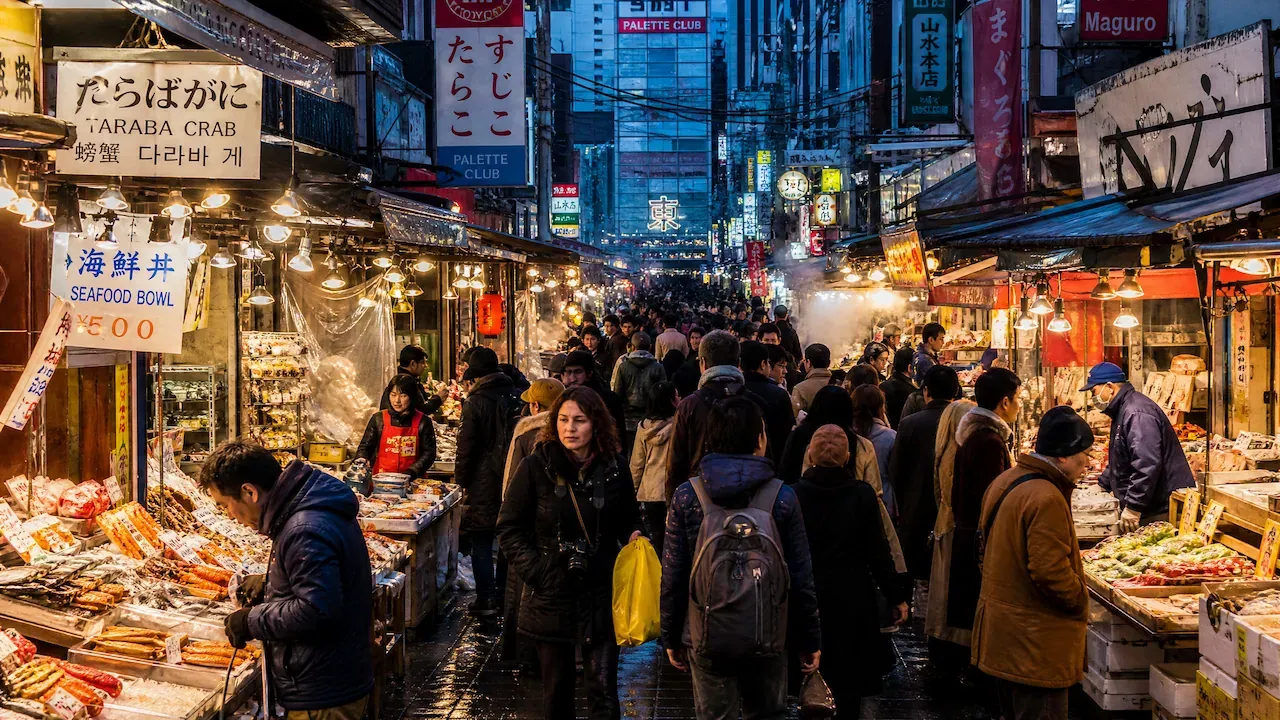
The Tokyo street-market brief (UC08) scored 6.9/10, the lowest in the suite, and only 2 of 4 evaluators passed it, making it the one brief that missed the production bar (Everypixel production team, May 2026).
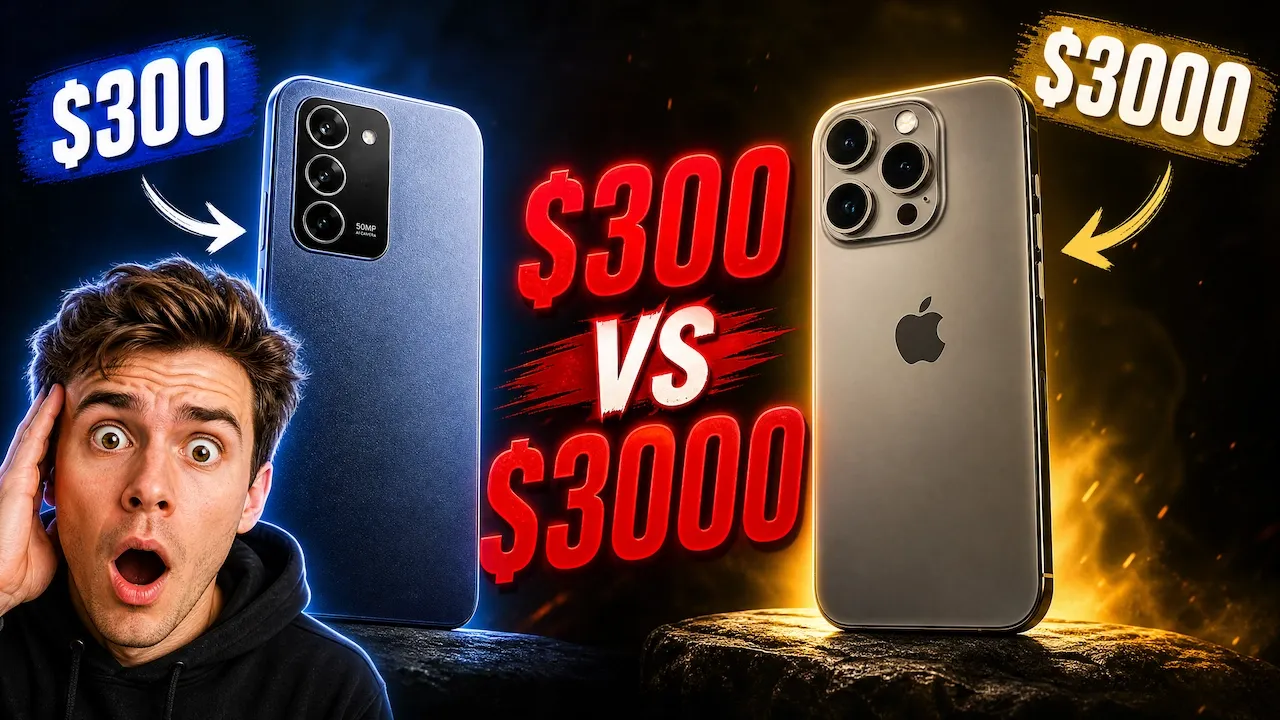
The brief asked for dozens of people at several depths, Japanese and English signage and f/8 sharpness throughout. Three evaluators rated it between 7 and 9 on practical value and described the same flaw, distorted faces in the background. One evaluator: "Artifacts and strange things in several faces. Text is legible. The atmosphere is there." The fourth evaluator rejected it outright, rating every criterion 1/10: "Too many people in the distance, almost all identical and walking in one direction, some faces are distorted."
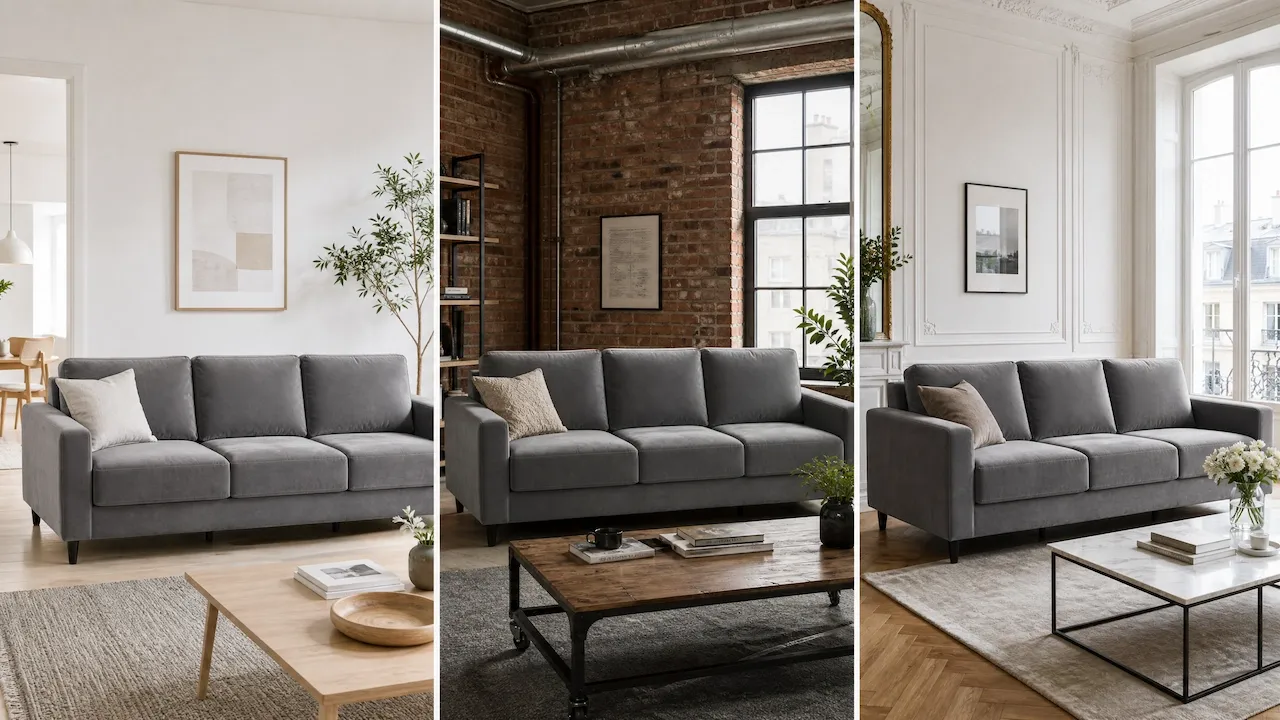
This is one generation of one crowd brief, so it shows a failure mode rather than a failure rate. The other complex-scene brief, a product series of the same sofa in several rooms (UC22), scored 9.88.
What to do: for crowd-heavy scenes, generate several candidates and select, or use licensed photography. Keep AI generation for portraits and small groups, where anatomy is easy to check.
Finding 6: Aspect ratio written in the prompt was not applied
Finding 6
All 34 outputs in our run came back in 16:9, including briefs that asked for 1:1.5, 9:16, 9:19.5 and 1:1 in the prompt text (Everypixel production team, May 2026).
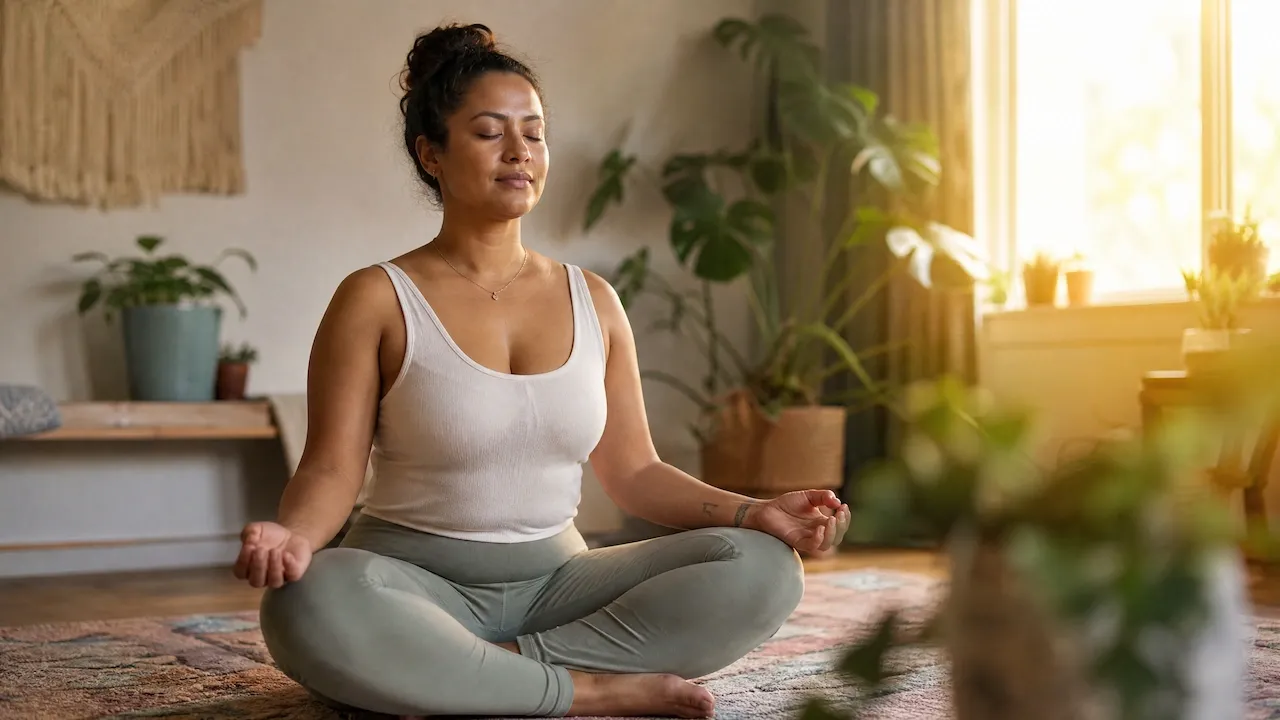
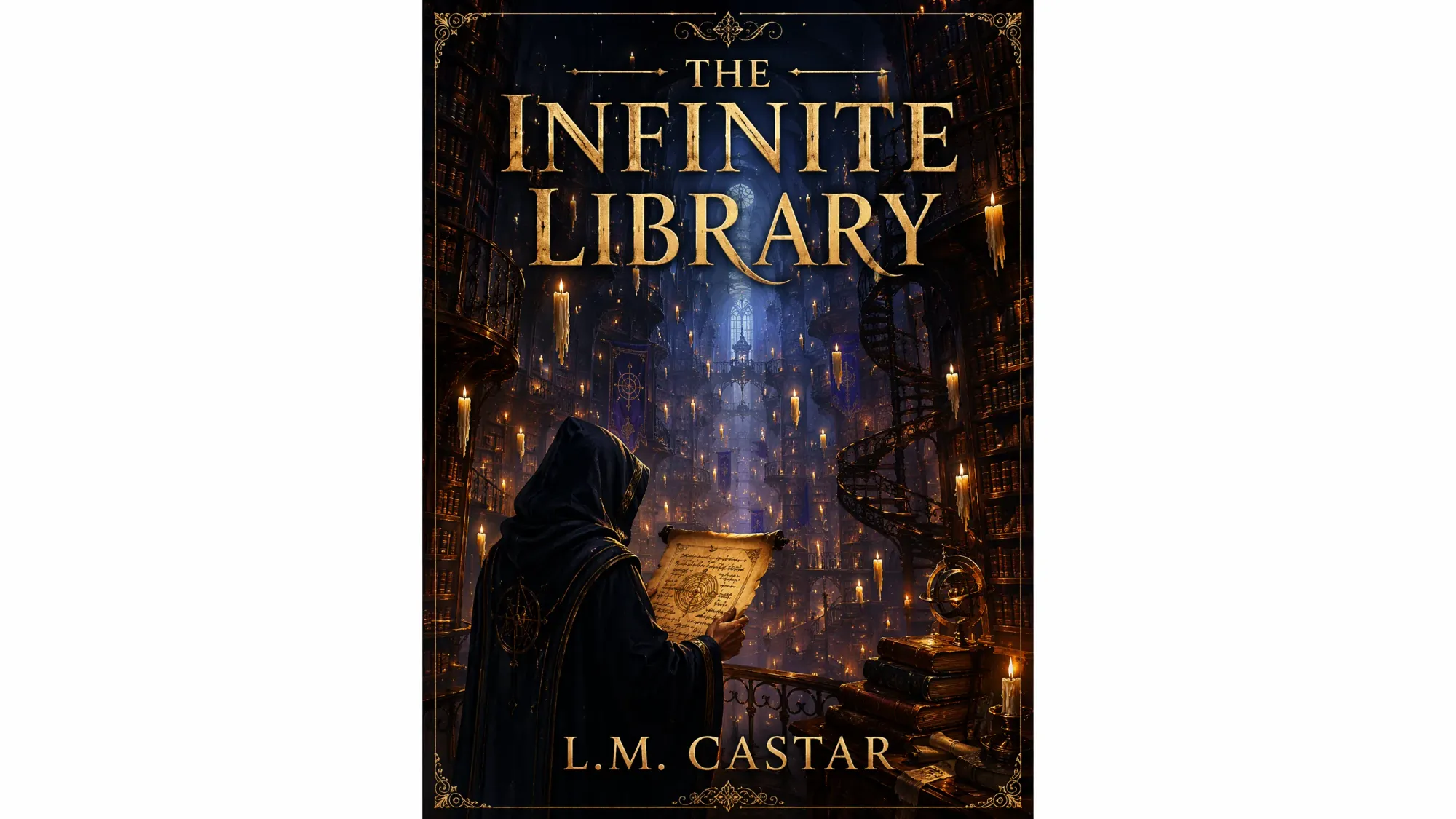
Output size in the API is set by a request parameter, not by the prompt, and our run used a fixed landscape size. The model still adapted the composition: for the 1:1.5 book cover (UC10) it built a vertical cover inside the landscape frame and filled the rest with white, and evaluators passed it unanimously. One evaluator did mark the 9:19.5 meditation wallpaper (UC12) down for "not vertical."
What to do: set the output size in the API call. Our scores do not tell you how the model composes natively in vertical formats.
Where to Spend and Where to Save
OpenAI bills gpt-image-2 by tokens, at $30 per million image output tokens on the standard tier (OpenAI pricing), so the price per image depends on size and quality. fal.ai publishes per-image prices for the same model.
API pricing reference
| Resolution | Low quality | Medium quality | High quality |
|---|---|---|---|
| 1024 x 768 | $0.01 | $0.04 | $0.15 |
| 1024 x 1024 | $0.01 | $0.06 | $0.22 |
| 3840 x 2160 (4K) | $0.02 | $0.11 | $0.41 |
Source: OpenAI API pricing, verified May 2026. Verify current rates before production decisions — pricing subject to change.
At 1024×1024, quality=high costs 22 times more than quality=low.
fal.ai's verdict on native 4K: "At $0.41 per image for native 4K high quality, the model is pricing itself out of any pipeline running more than a few hundred 4K outputs." Its suggested alternative is a low-quality generation chained into an upscaler, which reaches 4K "for a fraction of the native 4K cost."
We scored high-quality output only, so we cannot tell you how much quality the low path gives up. One outside data point suggests it matters for dense scenes: in Simon Willison's test of April 21, 2026, a hidden object in a crowded Where's Waldo scene was missing at default settings and clearly present at high quality and 3840×2160.
Worked example. 200 images a month at 1024×1024:
| Routing | Monthly cost |
|---|---|
| Everything at quality=high | 200 x $0.22 = $44.00 |
| 40 hero images at high, 160 at low | $8.80 + $1.60 = $10.40, plus upscaling if needed |
Spend on high quality: hero images, packaging, typography-critical work, campaign product shots, dense scenes.
Save with low quality: concept exploration, internal decks, background fill, early variants. Test the quality gap on your own briefs first.
GPT Image 2.0 vs Nano Banana 2 on speed and 4K price
We did not test Nano Banana 2 in this run. fal.ai's side-by-side found that "Nano Banana 2 won the speed game, generating the image about 60 seconds faster" on the same prompt, prices 4K output at $0.16 against $0.41 for GPT Image 2.0, and supports up to 14 reference images and consistency for up to 5 people across generations (fal.ai, April 27, 2026).
For a head-to-head against real photographs, see our follow-up study, GPT Image 2 vs real photography: a 48-scene blind test.
Which tasks to give GPT Image 2.0
| Task | Recommendation | Basis |
|---|---|---|
| Product and packaging shots | First choice | 3/3 unanimous, category mean 9.81 |
| Hero banners and UI mockups with text | First choice | UC03 9.92, text legible at screen scale |
| Architecture and interiors | First choice | UC06 9.88, straight lines held |
| Book covers and posters | First choice | UC10 9.92, UC28 9.79 |
| Headshots and brand portraits | Strong choice | UC01 9.54, UC33 10.00; check against your brand look |
| Logos | Good for concepts | UC07 9.58; not a true vector, plan vectorization |
| Multilingual text | Test first | Only Japanese tested by us |
| Vertical social formats | Set size in the API | Prompt-level ratios were not applied |
| Crowd and street scenes | Not recommended | UC08 6.9, faces distort at distance |
| Many consistent characters in a batch | Consider Nano Banana 2 | Not tested by us; fal.ai reports 14 references, 5 people |
For Production Agencies
Finding 7
GPT Image 2.0 fits the final-asset tier of an agency pipeline, where one image is the deliverable, better than the exploration tier, where a designer needs many fast variants (Everypixel production team, May 2026).
Queue final assets for asynchronous generation and keep fast exploration on a cheaper or faster model. For batches that need locked character or product identity, GPT Image 2.0 relies on prompting, and fal.ai reports stronger native reference support in Nano Banana 2.
For Social Media Teams
Finding 8
The strongest case for social teams is text overlays: headlines, prices and calls to action rendered inside the image passed our production bar without a Canva or Figma step (Everypixel production team, May 2026).
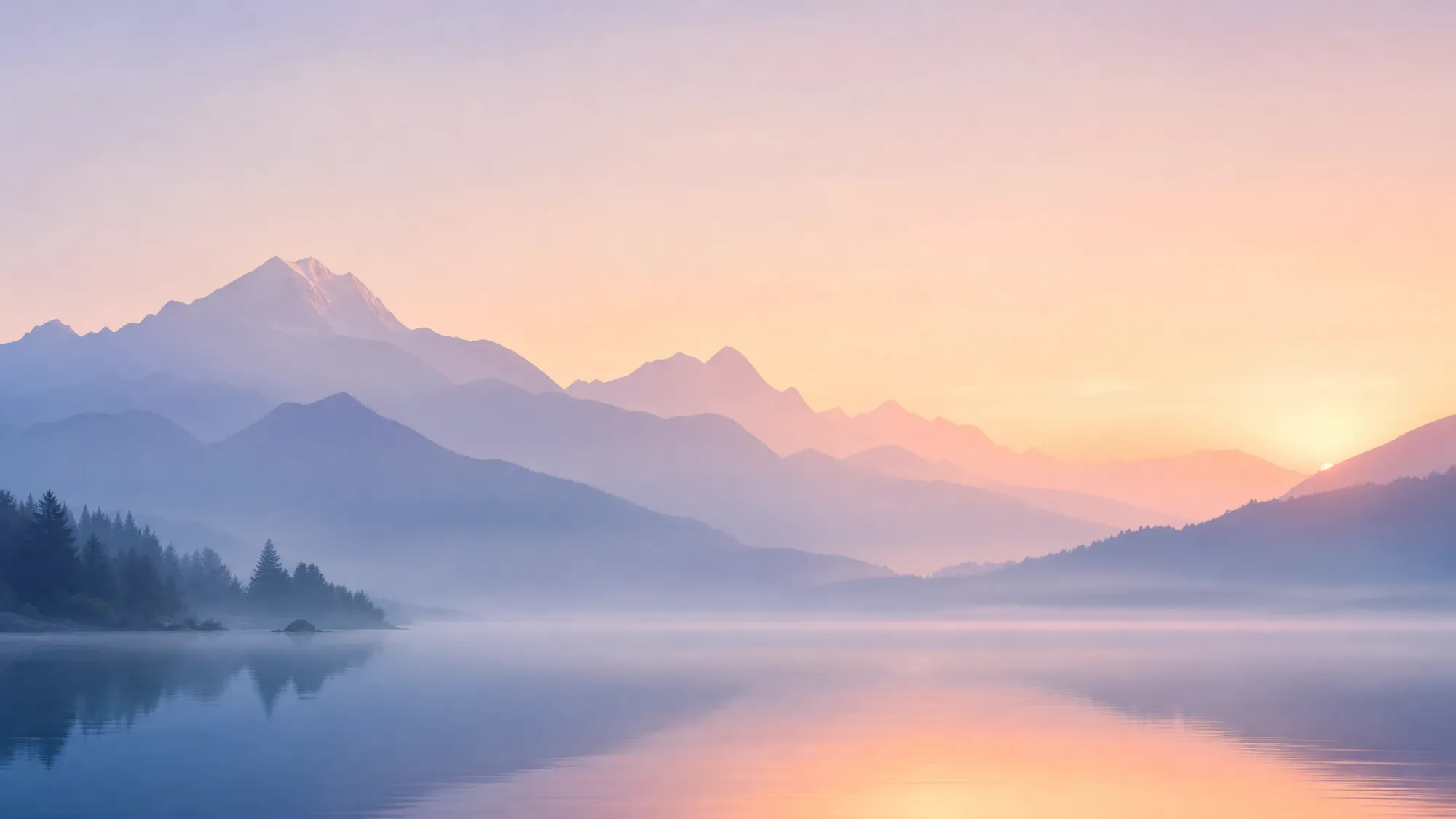
All ten marketing and social briefs passed, eight of them unanimously, with a category mean of 9.72. Set the output size explicitly for Reels, Stories and Shorts, because a ratio written in the prompt was not applied in our run.
For B2B Marketing Teams
Finding 9
For B2B assets the relevant number is the gap between prompt adherence (9.8) and practical value (9.3): the model follows the brief almost exactly, and a human review pass still catches the details that block approval (Everypixel production team, May 2026).
The details our evaluators caught were small and specific: evenly spaced droplets, a stray post at the frame edge, liquid that ignored the glass. Annual reports and multi-page brand documents still need a designer for layout.
Compliance: EU AI Act Article 50 and C2PA
From August 2026, EU AI Act Article 50 requires visible disclosure labeling and machine-readable C2PA metadata for AI-generated images distributed in the EU — regardless of which model generates them. B2B teams distributing content to EU clients or publishing to EU-accessible platforms need to build C2PA tagging and disclosure workflows into their production pipeline before the enforcement deadline. Non-compliance: fines up to €15M or 3% of global annual revenue. This is not a future consideration; it requires infrastructure decisions now.
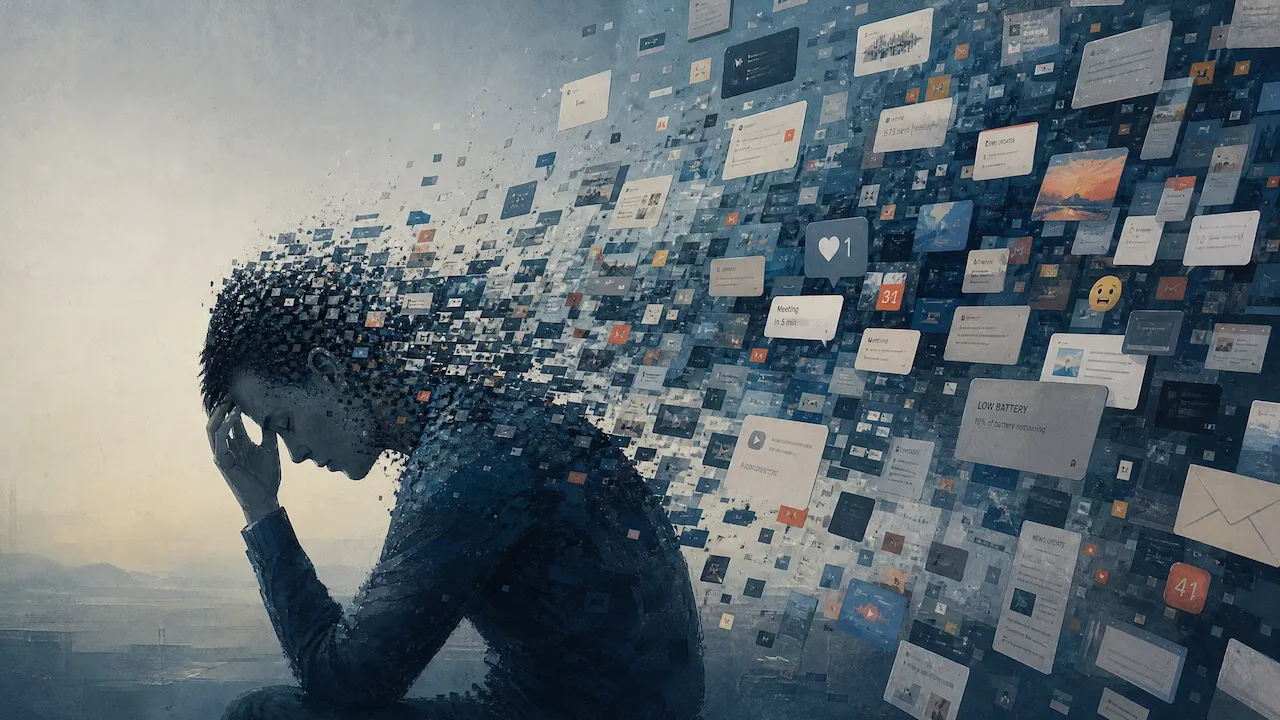
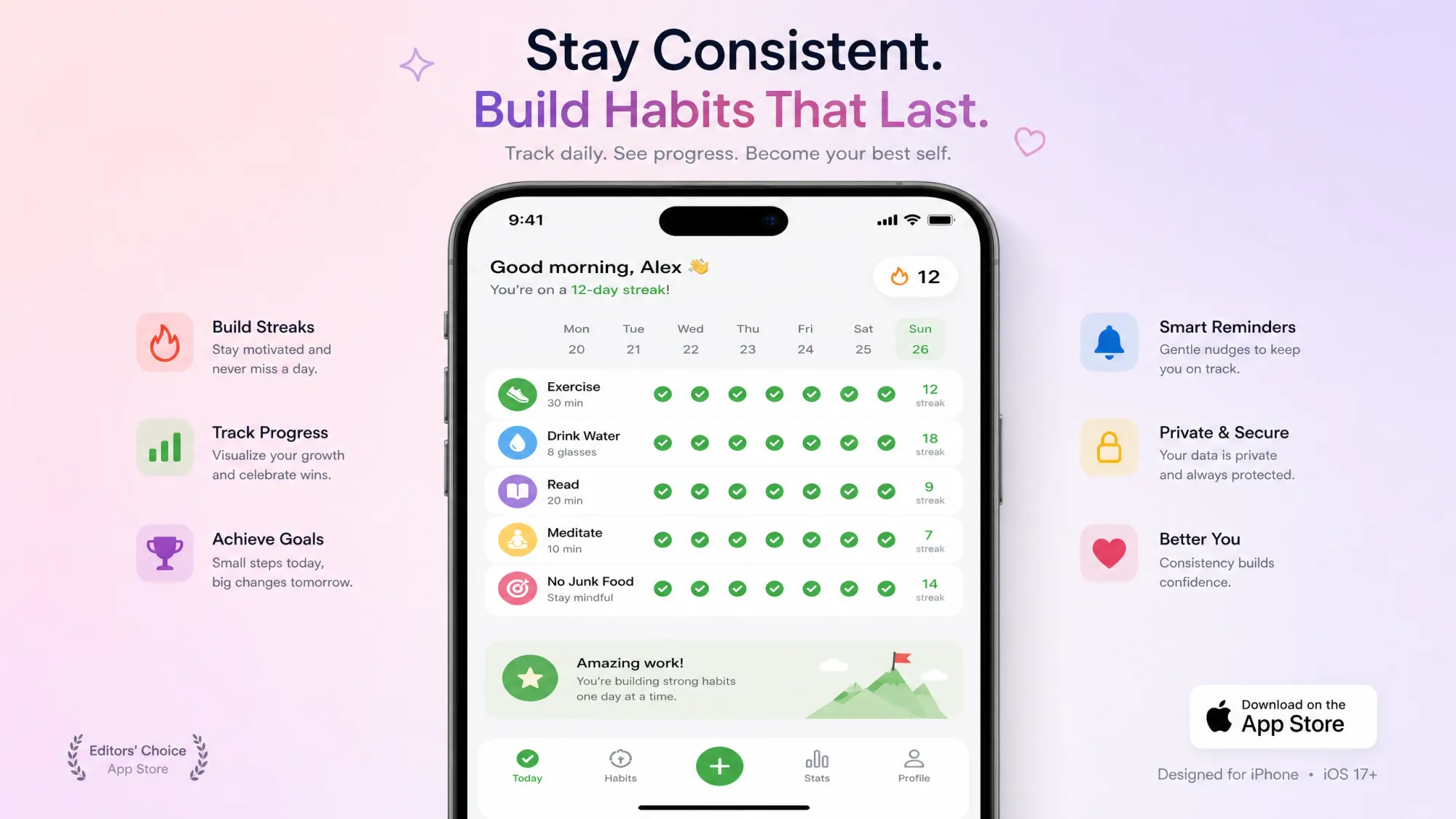

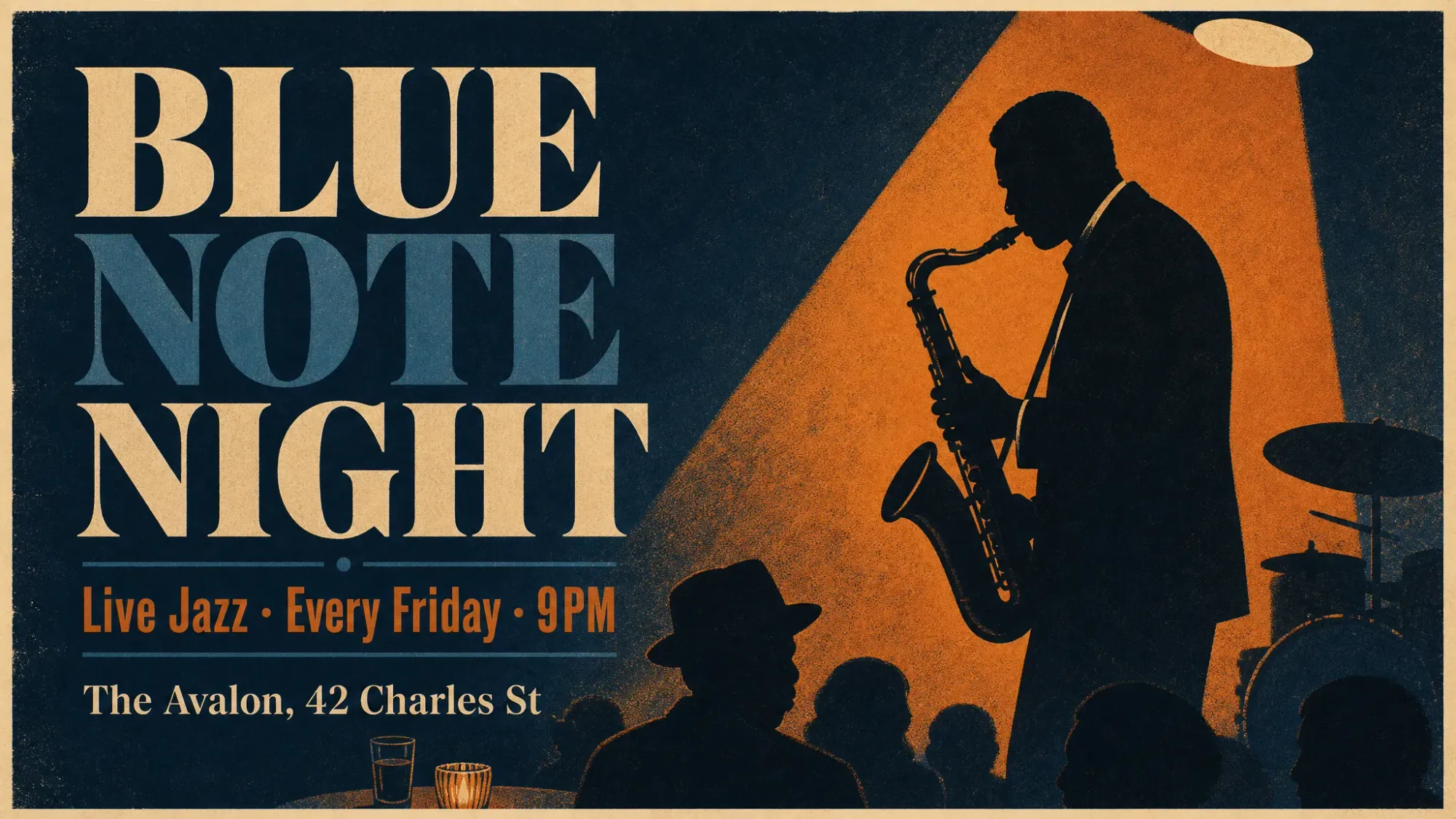
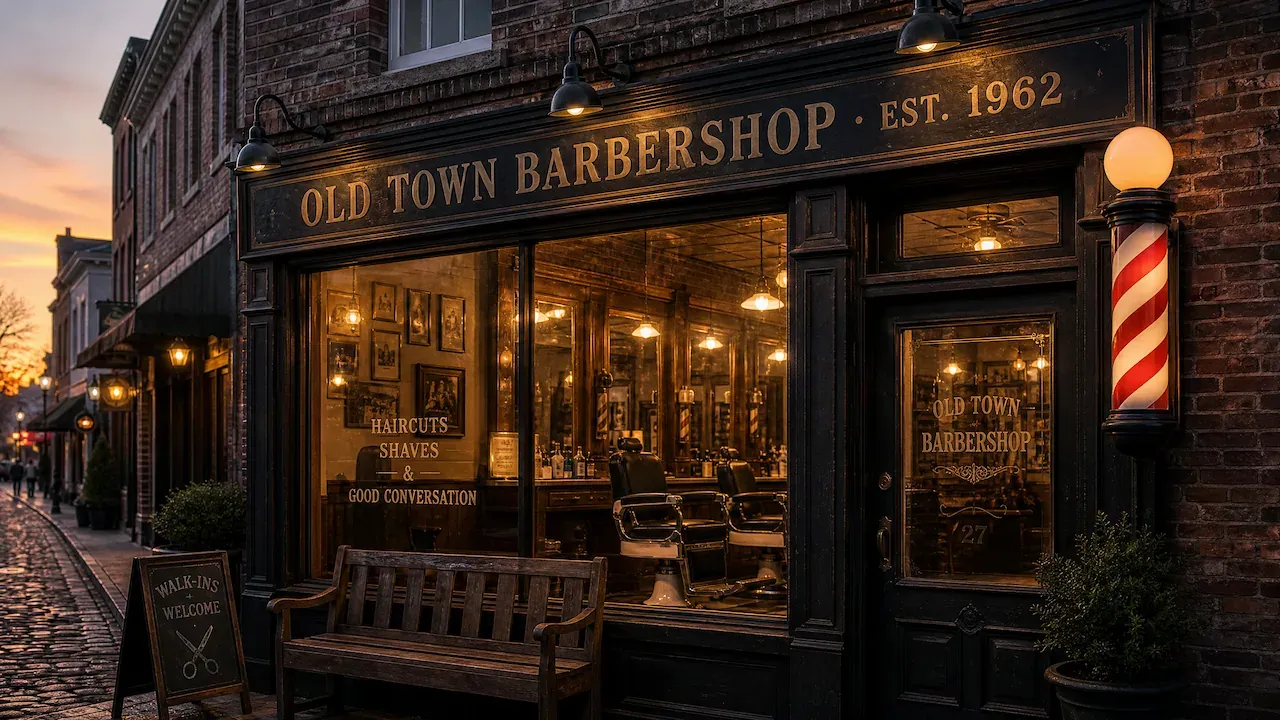
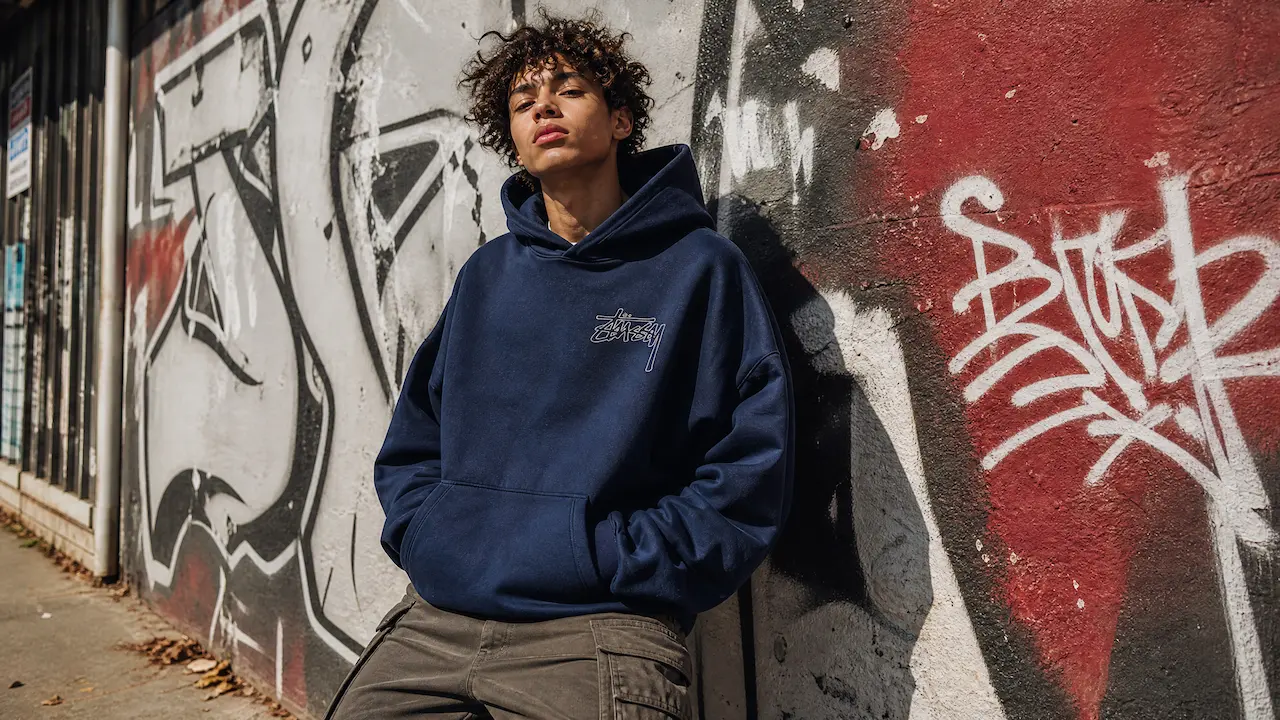

UC 25, 26, 27, 28, 29, 30, 31, 32, 33
Frequently asked questions
Is GPT Image 2.0 good enough for commercial work?
In our May 2026 test, 33 of 34 production briefs passed a bar of 3 of 4 evaluators rating practical value 8 or higher, and 25 of 34 passed unanimously. The one failure was a crowd scene.
What is GPT Image 2.0 best at?
Images with embedded text, product and packaging photography, and architecture. Product photography averaged 9.81/10 and the architecture brief scored 9.88/10 in our evaluation.
What are GPT Image 2.0's weaknesses?
Crowd scenes with many people at a distance, where faces distort: 6.9/10 in our test. Evaluators also flagged fluid physics and overly regular details such as evenly spaced droplets.
Should I use quality=high or quality=low?
Use high for hero assets, text-heavy images and dense scenes. Use low for exploration and volume, where it costs $0.01 instead of $0.22 per 1024x1024 image on fal.ai. We only scored high quality, so test the gap on your own briefs.
How much does GPT Image 2.0 cost per image?
On fal.ai as of April 2026: $0.01 to $0.22 at 1024x1024 depending on quality, and $0.02 to $0.41 at 4K. OpenAI's own API bills by tokens, at $30 per million image output tokens.
Can GPT Image 2.0 make vertical images for Reels or Stories?
Set the output size in the API request. In our run, aspect ratios written into the prompt were not applied and every image came back 16:9.
Is GPT Image 2.0 better than Nano Banana 2?
We did not compare them in this run. fal.ai reports that Nano Banana 2 is about 60 seconds faster per image, costs $0.16 at 4K against $0.41, and supports more reference images. At launch on April 21, 2026, Arena reported GPT-Image-2 at 1,512 on its text-to-image leaderboard, 242 points above Nano-banana-2 with web search.
Can GPT Image 2.0 replace a photographer or designer?
For individual product, architecture and text-based marketing images, it produced usable output in our test. It does not replace art direction, multi-page layout, or the review pass that caught the flaws listed in this article.
Evaluator Agreement and Variance
Finding 10
Evaluators agreed on the pass/fail call with Gwet's AC1 of 0.84, and most disagreement came from one evaluator, who accounts for 8 of the 10 practical-value ratings below 8 in the run (Everypixel production team, May 2026).
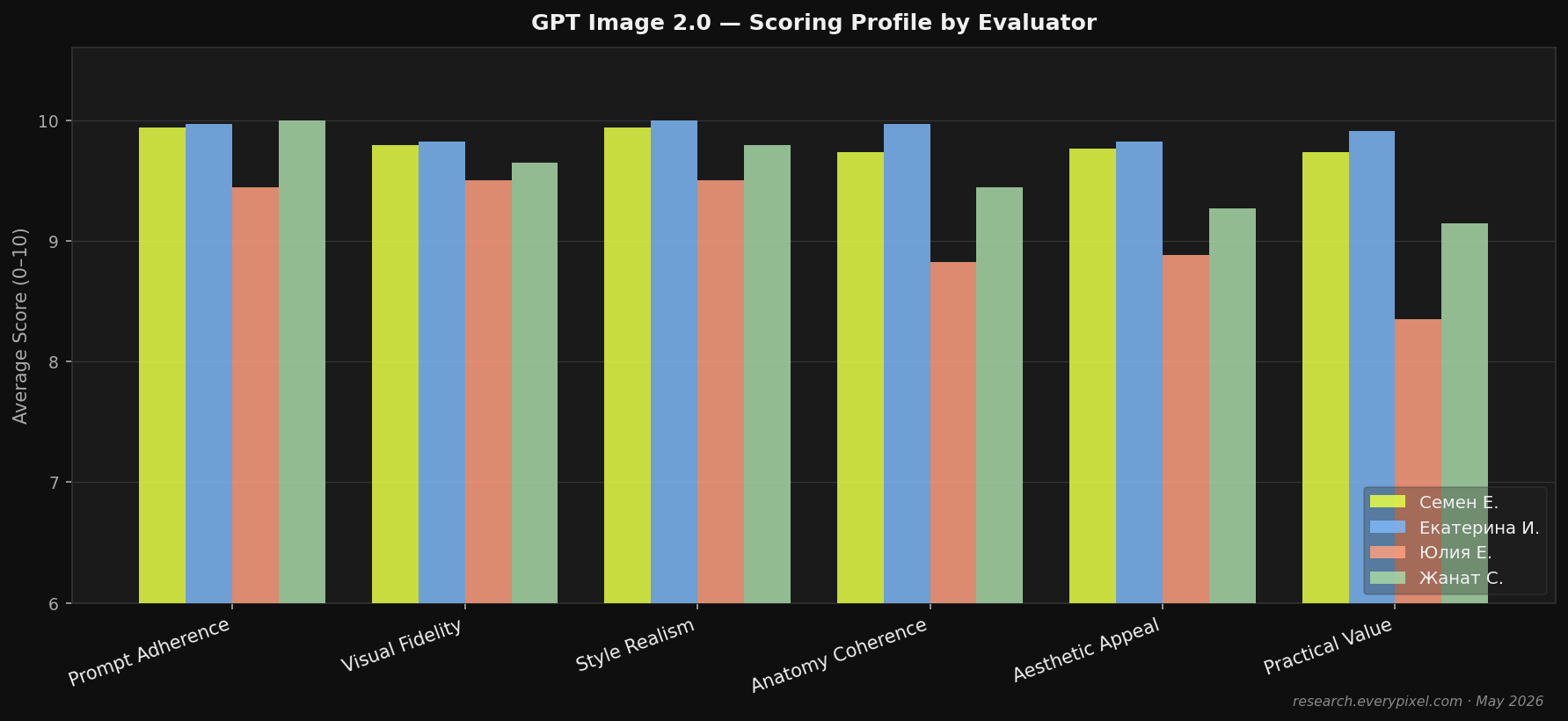
We report Gwet's AC1 rather than Fleiss' kappa because almost all ratings sit at the top of the scale, and kappa collapses toward zero under that kind of skew even when evaluators agree. The strictest evaluator is the reason 7 of the 8 non-unanimous briefs are "pass" rather than "unanimous pass." Read the unanimous rate of 74% as the conservative figure and the majority rate of 97% as the optimistic one.
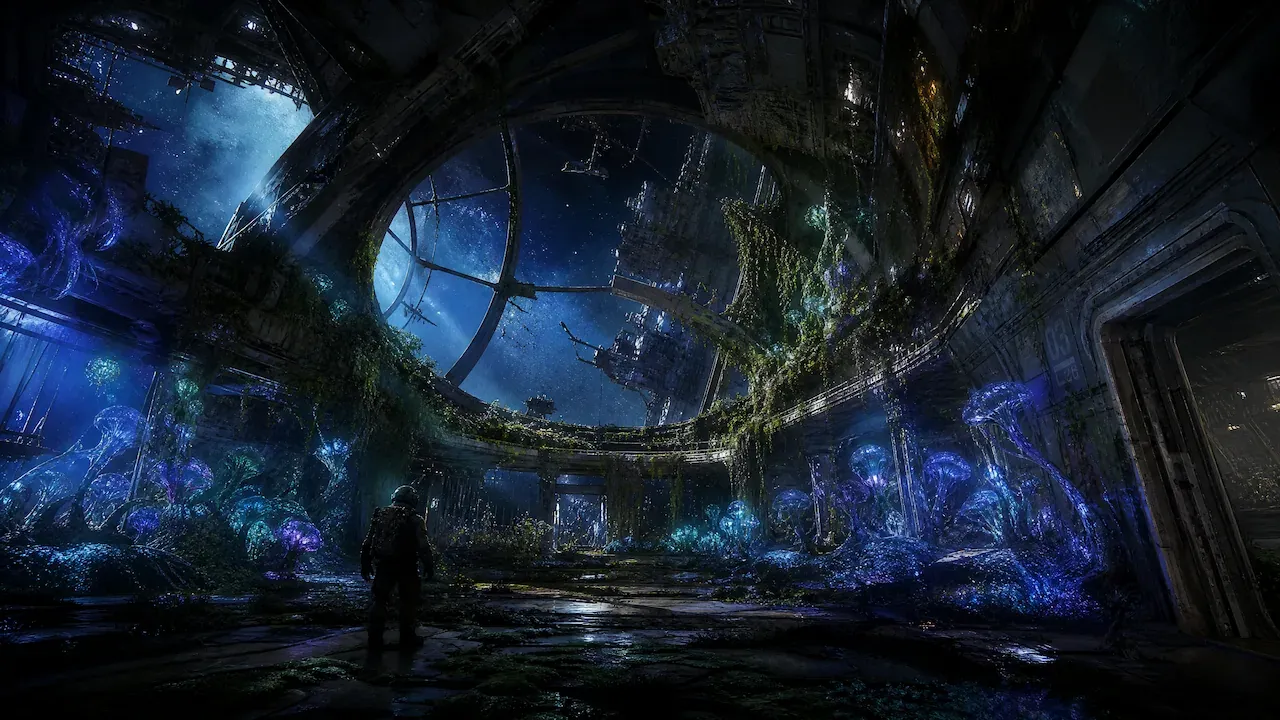
The largest spreads were UC08, the crowd scene, at a standard deviation of 3.6 across all 24 ratings, and UC09, sci-fi concept art, at 2.5 on aesthetic appeal. In both, three evaluators scored high and one scored low, so the spread reflects one dissenting judgment, not an even split.
UG 10, 19, 20, 22, 23, 24
What we did not test
- Consistency across seeds: one generation per brief- quality=low and quality=medium, and any upscaler path
- Native vertical and square output sizes- Image editing, inpainting and reference-image input
- Direct comparison with other models in the same run
- Non-Latin scripts beyond Japanese
About This Test
Everypixel operates a platform where production teams generate, select, and license AI-generated visual content. research.everypixel.com publishes structured model evaluations based on the team's daily production experience. Rankings on this page reflect production usability as evaluated by working professionals — not marketing claims, synthetic benchmarks, or cherry-picked outputs.
Sources and verification
Every external claim in this article is checked against a primary source. The model name, snapshot and endpoints come from OpenAI's [gpt-image-2 model page](https://developers.openai.com/api/docs/models/gpt-image-2), and token billing from the [OpenAI API pricing page] https://developers.openai.com/api/docs/pricing).
Per-image prices, the comparison with Nano Banana 2 and the neutral-color observation come from [fal.ai's GPT Image 2 review](https://fal.ai/learn/tools/gpt-image-2-review) by John Ozuysal, 27 April 2026. Script rendering beyond our own test is reported by [Segmind](https://blog.segmind.com/gpt-image-2-is-now-on-segmind-multilingual-text-that-actually-renders/), 22 April 2026.
The dense-scene quality comparison is from [Simon Willison](https://simonwillison.net/2026/Apr/21/gpt-image-2/), 21 April 2026, and the launch leaderboard position from [Arena](https://x.com/arena/status/2046670703311884548), 21 April 2026.
Disclosure duties are quoted from [Article 50 of the EU AI Act](https://artificialintelligenceact.eu/article/50/), in force since 2 August 2026.
All scores in this article come from Everypixel's own run of 18 May 2026, and every external source was re-checked on 18 September 2026. Prices change: verify current rates before budgeting.
Changelog
25 September 2026. Recalculated all figures from the experiment export. Headline changed from "9 of 13 use cases" to "33 of 34 briefs": the run contains 34 briefs in 11 categories, and 33 pass the article's own production bar. Corrected the production-ready votes for UC01, UC04, UC07, UC08 and UC12, and the variance figures for UC08 and UC09. Added confidence intervals and an agreement metric. Added Finding 6 on aspect ratio, since all outputs were 16:9, so earlier claims about vertical and 1:1.5 formats are withdrawn. Corrected the release date to April 21, 2026. Removed claims attributed to Atlas Cloud, where the cited page does not exist, and to The New Stack and Segmind, where the cited figures are not on the page. Removed the claim that quality=high maps to a separate Thinking mode, which no source supports. Moved pricing attribution from OpenAI to fal.ai. Corrected the agency cost example. Rewrote the EU AI Act note against the regulation text. Added disclosure, evaluator agreement and untested scope.
16 September 2026. Previous update.
19 May 2026. First published.
Cite this article
<blockquote cite="https://research.everypixel.com/gpt-image-2-0/"> <p>In our test on May 18, 2026, GPT Image 2.0 passed a four-reviewer production bar on 33 of 34 real briefs. It is strongest on images with embedded text, product shots and architecture. The one brief that failed was a crowd scene.</p> <footer>— <a href="https://research.everypixel.com/gpt-image-2-0/">Is GPT Image 2.0 Production-Ready? We Scored 34 Real Briefs</a>, Everypixel Research, May 2026</footer> </blockquote>
Everypixel Research. (2026). Is GPT Image 2.0 Production-Ready? We Scored 34 Real Briefs. research.everypixel.com. https://research.everypixel.com/gpt-image-2-0/